A room to watch the tide come in at Saint-Malo
Updated on 23 October 2026
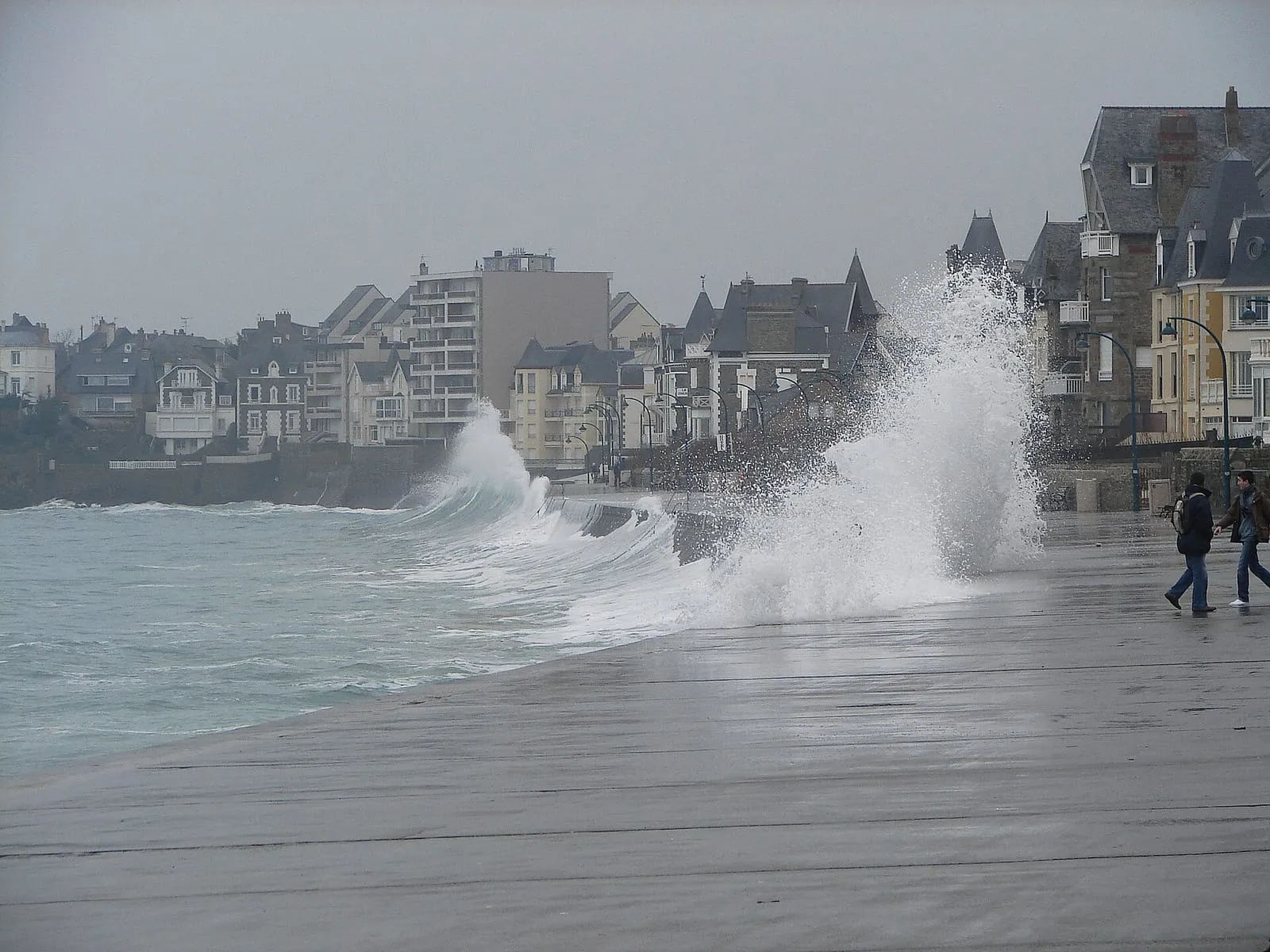

The flood swallows the foreshore metre by metre, rings the Fort National, and climbs the ladders on the sea wall until it slaps the granite below your window. Watching that from your room takes two things: the right room and the right timing. This page sorts out both.
The timing first
High water happens twice a day and shifts by about fifty minutes from one day to the next. The flood runs fastest at mid-rising tide: on Saint-Malo’s flat foreshore, the sea gains dozens of metres in a few minutes.
In practice: note the high-water time on the SHOM widget below, and settle in at your window during the two hours before it. On big-coefficient days, stay for high water itself: that is when the wall gets licked, or overtopped.
Then the room
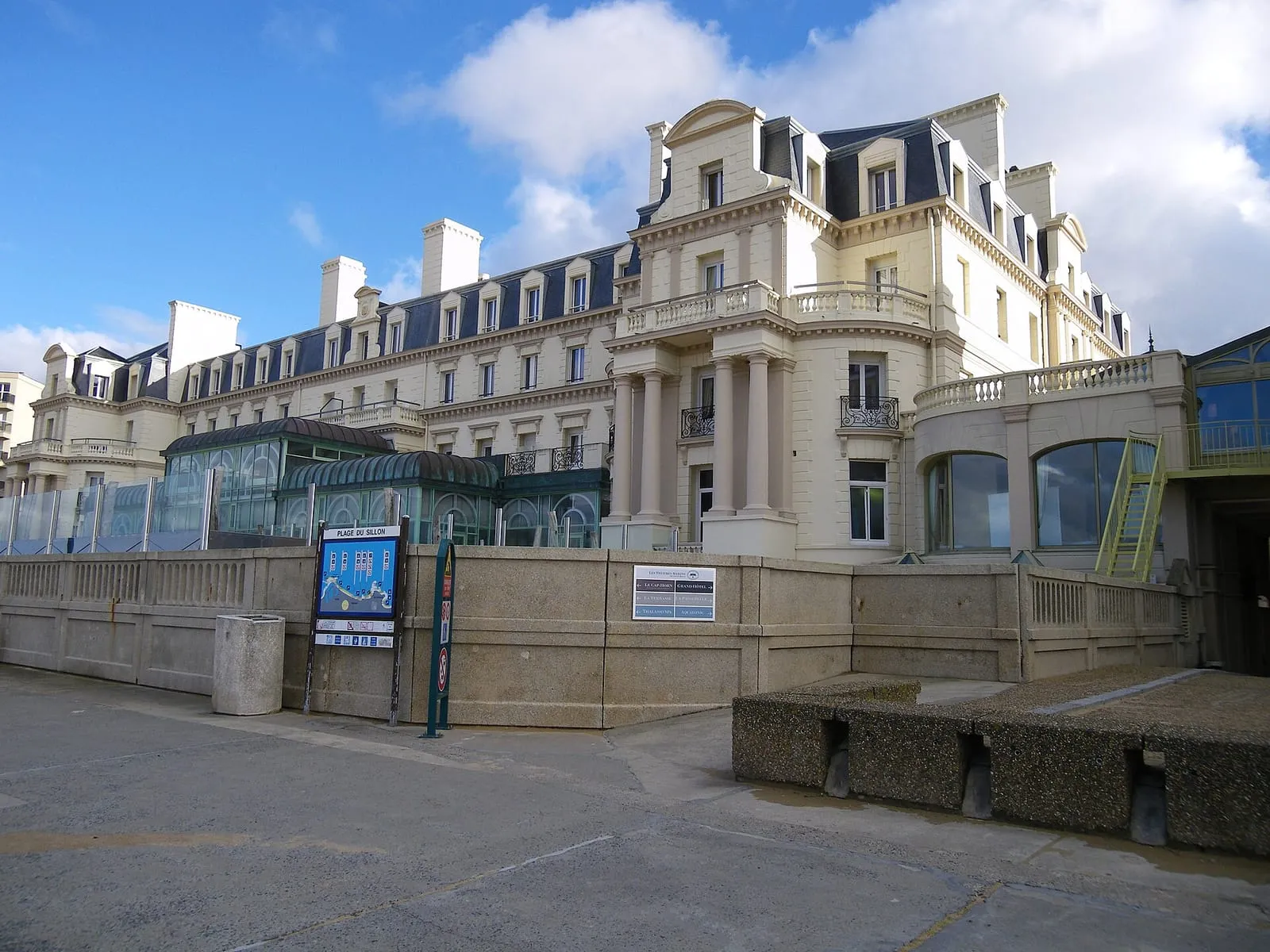
Sea-facing on an upper floor, on the Sillon. The most effective set-up: the plunging view shows the flood advancing over hundreds of metres. The addresses on the dyke itself (Alba, Antinéa) put the tide front and centre.
With a balcony. Earns its keep mostly on swell evenings, to hear the sea working the wall while staying under cover.
From Dinard. You don’t see the dyke up close, but Saint-Malo’s silhouette ringed by the rising tide at sunset is a different kind of reward.
The table below spells out each address’s tide advantage. If your dates are open, aim for a spring tide: same mechanics, twice the volume. The booking module is set to the next one.
What the window tells, hour by hour
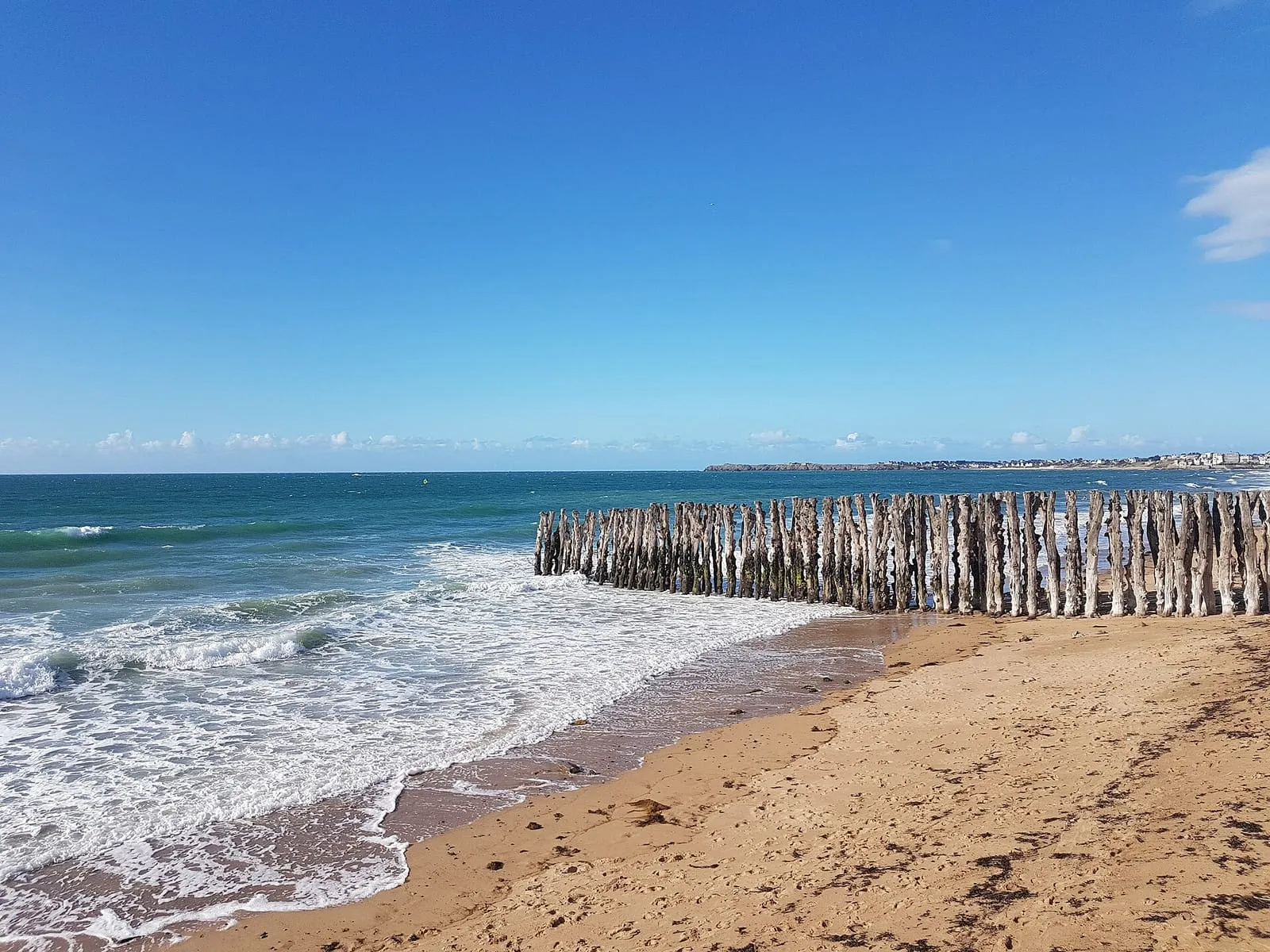
The rise takes about six hours, and each hour has its scene. At first, almost nothing happens: the sea is a line on the horizon, the foreshore a desert where the last foragers linger. Then the line thickens. This is mid-tide, the fastest moment: the sandbanks vanish one after another, the pools join up, the sea sometimes gains dozens of metres in minutes and the gulls fall back before it. Next comes the encirclement: Fort National becomes an island again before your eyes, the last walkers quicken towards the slipway. The final hour plays out vertically: the water climbs the wall’s ladders rung by rung, up to the face-off with the granite: a quiet brimming on a small coefficient, slaps of foam on swell days.
It is a slow show, and that is its strength: you follow it while working, reading, having breakfast. The room turns the tide into a living backdrop.
At night, the tide is listened to
The other privilege of a sea-facing room: the tides nobody sees. The three a.m. high water is heard more than watched: the regular breath of swell on the wall, windows closed, is the best sleeping draught on this coast, except on windy nights when it turns to percussion. And on the full-moon nights of a spring tide (the two go together, that is the very mechanics of spring tides), the slack sea under the moon, brimming at the wall, is worth setting an alarm for.
On swell evenings
When coefficient and swell line up, waves come over the wall. Our index on the home page flags it as the dates approach. On those evenings, stay at your window or at a good distance, behind shelter: every year, onlookers are injured on the dyke itself.
To understand what triggers those evenings, and stack the odds in your favour when picking dates, our crashing waves page details the three conditions behind the phenomenon, season by season.
Written and kept up to date by a Saint-Malo local in love with this coast. The story behind this guide


The next spring tides
- 27–29 October 2026100autumn
- 25–27 November 202697autumn
- 25–27 December 202699winter
See the full spring tide calendarAdd these dates to my calendar (.ics)
Dates and coefficients are indicative. Always check the official SHOM tide times before heading onto the foreshore. Official tide times (SHOM) ↗
Will the sea leap the wall?
Waves over the Sillon sea wall: our index for 27–29 October 2026
Show unlikely
The sea will most likely stay calm along the wall on this date. The spring tide is still a great sight at low tide.
What drives this index
- Tide coefficient100
- Swell (significant height)1.2 m (W)
- Swell period14 s
- Wind48 km/h (SW)
Best window of the episode: 27 October 2026. Index computed on 23 October 2026.
A qualitative, heuristic estimate, not a guarantee: nature does what it wants. Swell and wind forecasts: Météo-France (Licence Ouverte).
Compare places to stay
| Accommodation | Area | Tide advantage | Price | Book |
|---|---|---|---|---|
| Hôtel Albahotelsea view | Sillon · €€70 m from the sea wall | Tide advantage : Right on the dyke itself: at high coefficients the sea rises just beneath the windows. Ask for a sea-side room, not the street side. | €€ | BookHotel website ↗ |
| Hôtel Antinéahotelsea view | Sillon · €€50 m from the sea wall | Tide advantage : On the dyke by the Éventail beach: some rooms have a sea-facing balcony, an ideal observation post when the sea leaps the wall. | €€ | BookHotel website ↗ |
| Hôtel Le Nouveau Mondehotelsea view | Sillon · €€€20 m from the sea wall | Tide advantage : Directly facing the Sillon sea wall: upper-floor sea-view rooms overlook the waves at high water, front-row seats for the spring tide show. | €€€ | BookHotel website ↗ |
| Hôtel Printania (Dinard)hotelsea view | Dinard · €€2700 m from the sea wall | Tide advantage : On Dinard's Clair de Lune promenade: a head-on view of Saint-Malo's ramparts, whose silhouette changes with every tide. | €€ | BookHotel website ↗ |
| Résidence Reine Marineholiday residencesea view67, avenue Président John Fitzgerald Kennedy, 35400 Saint-Malo | Paramé · €€€960 m from the sea wall | Tide advantage : 66 seafront apartments on Minihic beach near the Pointe de la Varde: the bay of Saint-Malo as a panorama, indoor pool with a sea view. The spring tide in its quiet version, away from the Sillon crowds. | €€€ | BookHotel website ↗ |
Frequently asked questions
What time does the tide come in past the hotels?
High water shifts by about 50 minutes every day: there is no fixed time. The official SHOM widget on this page gives the exact times day by day; the sea is at its highest for roughly two hours around high water.
Does a spring tide look more impressive from the room?
Yes, twice over: at a high coefficient the sea climbs higher up the wall, and it comes in faster (the flood runs quickest mid-tide). At an average coefficient the show is still lovely, but the sea stops lower down.
Balcony or big window: does it matter?
For the incoming tide, a plunging view matters more than a balcony: a high sea-facing floor shows the flood swallowing hundreds of metres of foreshore. The balcony earns its keep on swell evenings, to hear the sea striking the wall while staying under cover.
Can you watch the tide come in without staying on the seafront?
Of course: the ramparts, the castle esplanade and the set-back Sillon promenade offer the same show in the open air. Our viewpoints page details them. What the room adds is what no public post can: the dawn and night high waters, and the whole rise followed from start to finish, in the warm.