Things to do in Saint-Malo when it rains
Updated on 23 September 2026
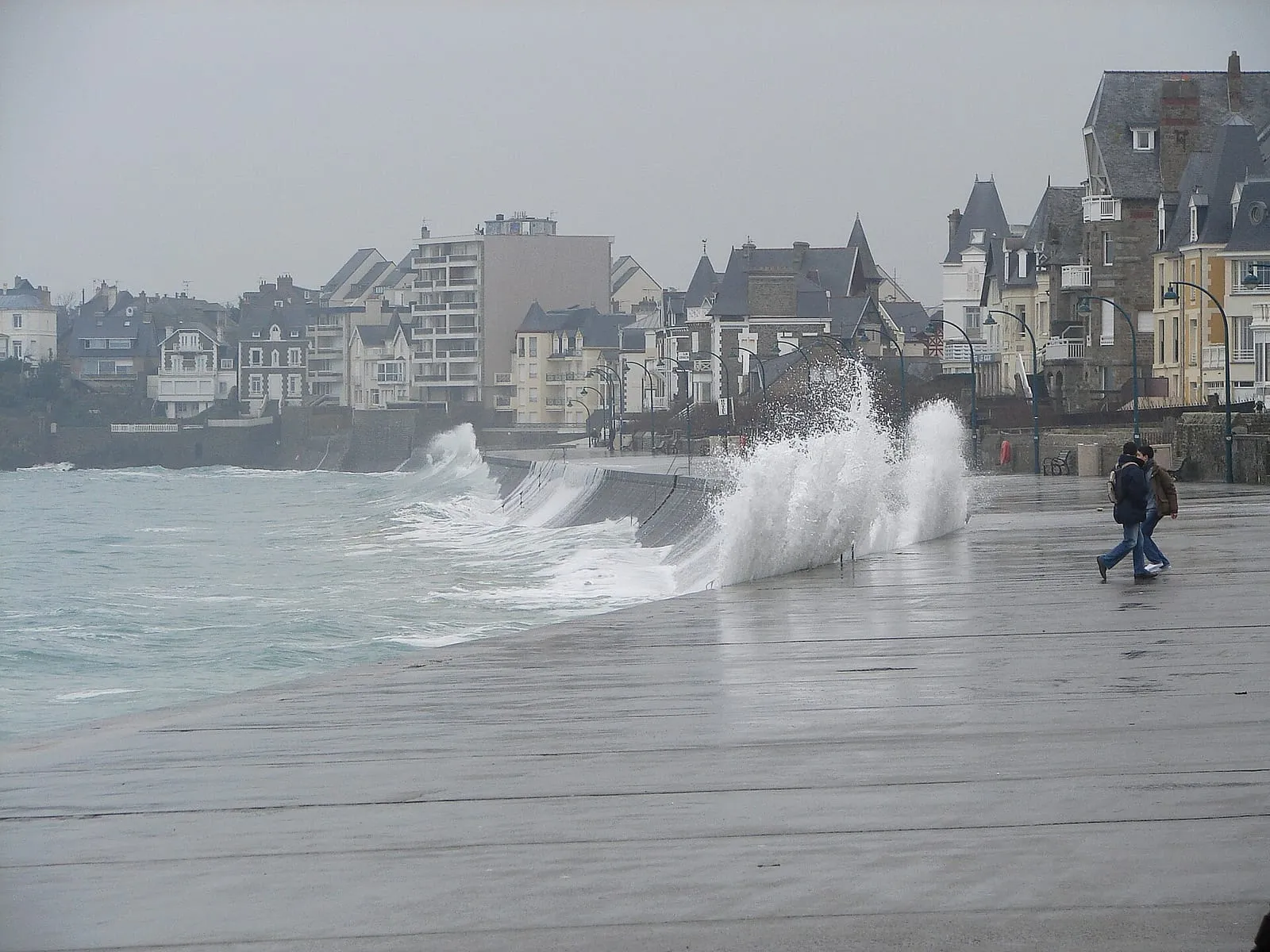

First thing worth saying, because it changes everything: rain in Saint-Malo rarely settles in for the day. It arrives in squalls on the westerly wind, crosses the town in twenty minutes, and the sky opens again behind it. The local reflex is not to cancel the day but to shift it by an hour.
That said, some days the weather does dig in. Here is what holds up in the wet — and why a few of those days are the best of the year.
First reflex: check the tide, not just the sky
This is the local peculiarity. A rainy day at low water is still a day when the foreshore is uncovered for hundreds of metres and the islands are reachable: wet, but possible, and empty of people. A fine day at high water, by contrast, gives you neither the Grand Bé nor any foraging.
So before writing the day off, look at the tide times: they decide at least as much as the forecast does. If high water coincides with the downpour, that is your cue to go indoors — and our high tide page covers what there is to do then.
The Grand Aquarium, the safe bet
Ten minutes from the centre, the Saint-Malo aquarium is the obvious answer, and it stands up well: a 360° ring with sharks circling, a touch pool where children reach in, jellyfish, a megalodon jaw, and the Nautibus, a small submarine that really does dive into a populated tank.
Allow half a day, more with children. It is open all year, with hours that vary by season: check aquarium-st-malo.com before setting off. One local tip: go at high water, when the foreshore has disappeared anyway, and save low tide for the rocks.
Heritage under cover
First, a correction that saves half a day, because plenty of visitors still turn up expecting otherwise: the history museum in the castle keep and the Cape Horn museum in the Solidor tower have both been closed since 2019. Their collections are waiting for the new maritime museum, which the city has announced for 2028 in the former national maritime college. Many guidebooks still recommend them.
Two municipal museums remain open, and both suit bad weather: the Manoir de Limoëlou, Jacques Cartier’s country house at Rothéneuf, and the 39-45 Memorial, built into a bunker in the Cité d’Alet. For corsair history itself, our corsair history page takes over.
Saint-Vincent cathedral is free to enter, and its nave is worth the detour on a grey day, when the contemporary stained glass takes over from the daylight.
The malouinières, the shipowners’ manor houses inland, can be visited by appointment or in season. They make an ideal rough-weather outing, provided you check opening times first. Our malouinières page covers those open to visitors.
The rest of Saint-Malo’s heritage is largely outdoors — which brings us to the next point.
Going out anyway
Walking the ramparts in the rain is an experience in itself, and plenty of locals will tell you it is the right moment: the walled city empties, the cobbles shine, and the sea never disappoints in rough weather.
Two practical notes: a hooded windproof rather than an umbrella, which is useless against a westerly; and shoes you do not mind soaking, because spray comes over the parapet as soon as it blows at all.
Intra-Muros also suits wandering between showers: the narrow streets give shelter, and so do the doorways and the bookshops.
The seawater spa, the local answer
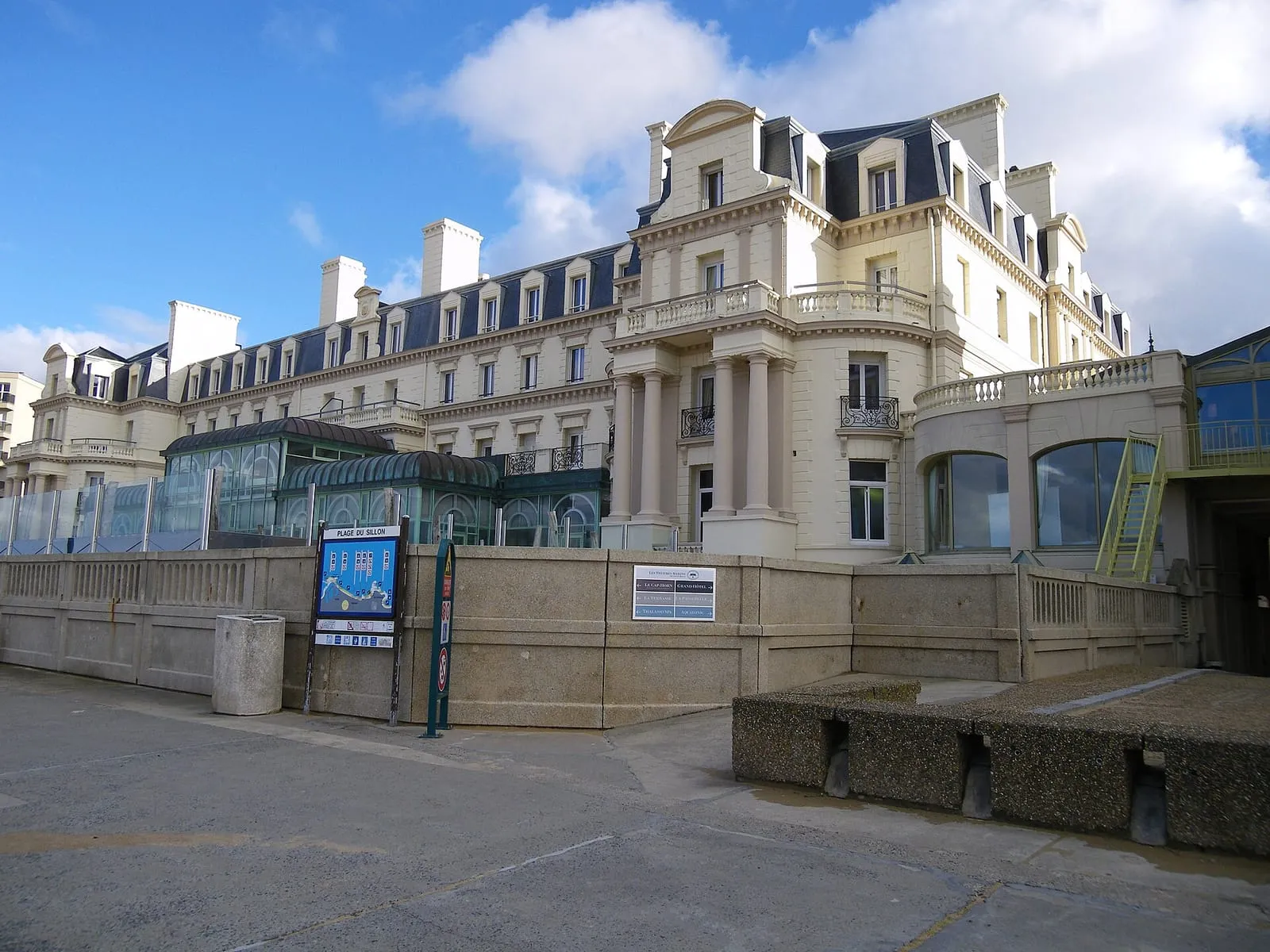
Saint-Malo has been a thalassotherapy town for more than a century, and it is probably the most local possible answer to a wet day: heated seawater, with a grey and furious sea on the other side of the glass. The seafront establishments offer day and half-day packages, bookable in advance — the kind of outing that sells out on a rainy day in school holidays.
When the rain is the spectacle
This needs saying, because it is what brings some people here deliberately: in Saint-Malo, bad weather is sometimes the reason for the trip. When a high tidal coefficient coincides with westerly swell and wind, the sea breaks over the Sillon sea wall in plumes several metres high. We cover the phenomenon in detail on watching the waves break, with the conditions that produce it and where to stand.
One warning, and it is a serious one: this is a spectacle to watch from a safe distance, behind shelter — never from the sea wall, the Môle des Noires or exposed paths. People have been swept away and killed there. Check the Météo-France wave and coastal flooding warnings before going out, and keep well clear of anything the sea can reach.
With children
Aquarium first, then the indoor pool, the 39-45 Memorial, and — if the squall passes — the carved rocks at Rothéneuf, which are perfectly good wet. Our Saint-Malo with kids page organises all of it into a day, tide included.
And if you really need to leave town, the surrounding area has its shelters: Dinan and its covered streets, the Rance tidal power station, and Mont-Saint-Michel, which loses nothing to mist — quite the opposite.
For guided tours and indoor activities bookable in advance: see what is on offer in Saint-Malo.
Written and kept up to date by a Saint-Malo local in love with this coast. The story behind this guide



_%D0%A1%D0%B5%D0%BD-%D0%9C%D0%B0%D0%BB%D0%BE._Rue_Sainte_Barbe_-_panoramio.jpg)

Check the official tide times on maree.shom.fr ↗
What is there to do in Saint-Malo on a rainy day with children?
The Grand Aquarium is the safe bet: a 360° shark ring, a touch pool, and the Nautibus, a small submarine that genuinely dives into a populated tank. Allow half a day. The 39-45 Memorial and the indoor pool fill out the rest. Note that the castle history museum has been closed since 2019, whatever many guidebooks still say.
Does it rain a lot in Saint-Malo?
Less in total volume than people expect, but often in short squalls driven in on the westerly wind. Hence the local habit: do not write off the day, shift it by an hour. The sky changes fast on this coast.
Can you walk the ramparts in the rain?
Yes, and it is a particular pleasure: the walled city empties, the cobbles shine, and the sea is often better than in sunshine. Bring a hooded windproof rather than an umbrella, which is useless against a westerly.
Where can you watch the waves in rough weather in Saint-Malo?
On a high tidal coefficient with westerly swell, the sea breaks over the Sillon sea wall. It is a spectacle to watch from a safe distance, behind shelter, never from the sea wall or the jetty: people have been swept away and killed. Check the Météo-France wave and coastal flooding warnings before going out.