Shellfish foraging in Saint-Malo, by the coefficients
Updated on 26 October 2026
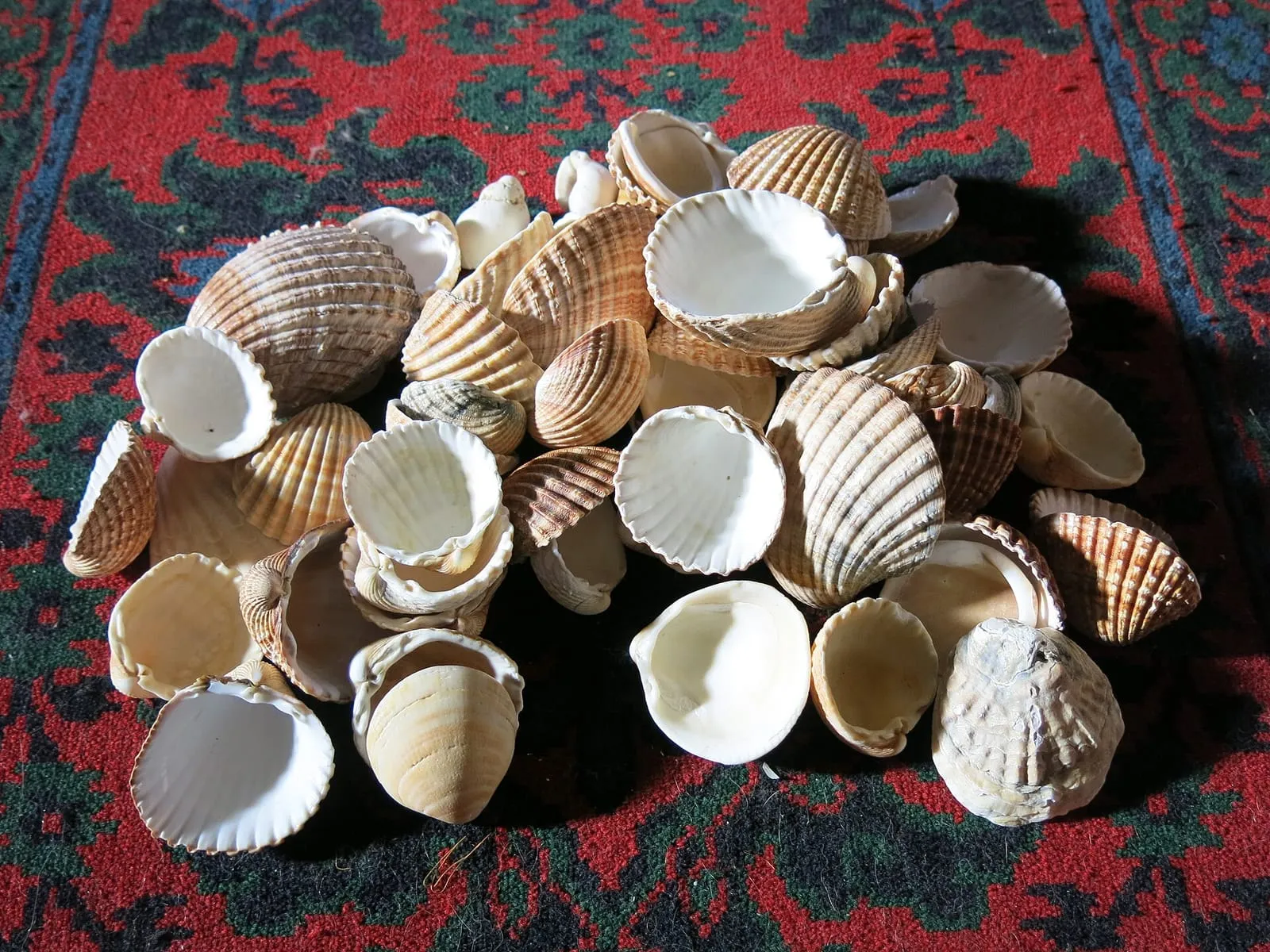

On spring tide days, a small crowd armed with buckets and rakes heads down the Saint-Malo foreshore the moment the sea turns: shore foraging, la pêche à pied, is handed down here like a family recipe. This page gives you the basics: the grounds, the coefficients, and above all the official rules to check before every outing.
Where to forage around Saint-Malo
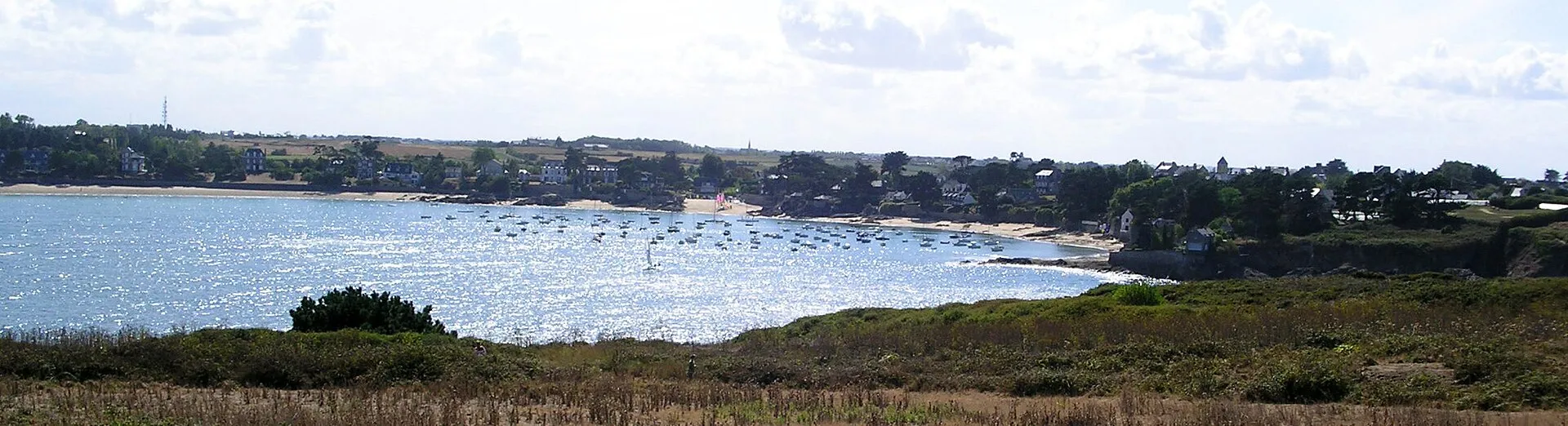
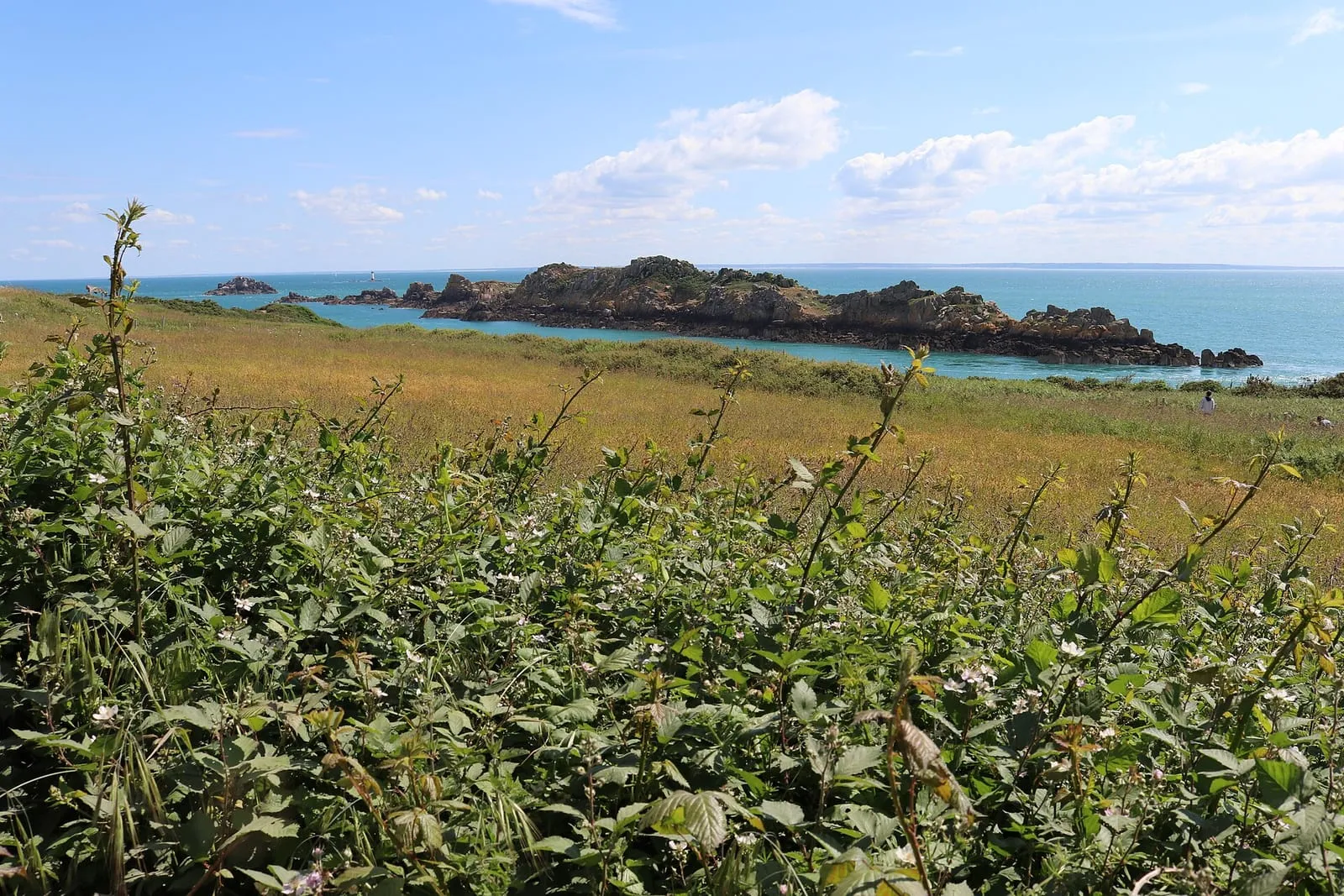
East of town, the foreshores of Rothéneuf and La Guimorais are the classic grounds: cockle-and-clam sands in the tidal basin, winkle-and-prawn rocks towards the headlands. The beaches of Paramé uncover their banks on big coefficients, and over at Cancale the rocky foreshores of the Pointe du Grouin complete the picture. The precise places are on the map and in the list on the low tide page: each entry says what low water uncovers there.
Species by species: where to look, how to go about it
Cockles live a few centimetres down in the sands of the tidal basin and the big beaches: spot the two little holes at the surface, lift with the hand-rake, no trench-digging. Clams prefer muddier, more sheltered sand; their twin siphons draw a tell-tale figure-of-eight: the hunting-by-eye discipline par excellence. Winkles are picked by hand on the rocks and under the weed as soon as the foreshore uncovers. Velvet crabs hide under the stones of the boulder fields: stone lifted, stone laid back the right way up, always. Prawns only give themselves up on the spring tides, to a hand-net worked through the lowest pools and gullies. Mussels, finally, cover certain beds that only the big coefficients uncover.
For every species there is a minimum size and a maximum quantity. Both change by prefectoral order, so no figures here: the official source has the final word (next section).
Kitting out, simply
The essentials fit in one bucket: a hand-rake for the sands, a hand-net for the pools, boots or old closed shoes (the foreshore cuts), gloves for the boulder fields, and a measuring gauge (or a cut-out template) to check sizes on the spot. Add the time of low water written on a piece of paper and a charged phone. Heavier tools (forks, spades…) are restricted or banned depending on the zone: again, the order in force decides.
A perforated basket or a bucket of seawater keeps the haul alive until you are back; sorting happens on the foreshore, not in the kitchen: anything undersized goes straight back where it was taken.
The right slot: coefficient and foraging window
Everything turns on the coefficient: from about 90, the sea drops far enough to uncover the rich ground; above 100, the lowest beds, the ones that emerge only a few days a year, give themselves up. The spring tide calendar lists the year’s episodes; on the day, the useful window is roughly the ninety minutes around low water. Check the official SHOM tide times the evening before, and time your walk down to the end of the ebb.
The rules: check at the source, before every outing
Recreational shore foraging in France is regulated (minimum sizes per species, maximum quantities per person, permitted tools, closed zones), and these rules change by prefectoral order. This guide does not copy them out: check them at the source before each outing, on the Ille-et-Vilaine prefecture website and on pecheapied-responsable.fr, which also publishes the sanitary status of each site. Some sectors close temporarily after heavy rain, with nothing on the beach to tell you so.
Out on the foreshore, good practice comes down to three gestures: turn every lifted stone back the right way up, take only what you will eat, fill in your holes. The foreshore is a living habitat that takes years to recover from a plundering tide.
Safety first
Shore foragers are the tide’s first victims: intent on the hunt, you don’t see the sea filling the channels at your back. The local rule never changes: out on the ebb, back up at the turn, without waiting to feel the water. In the Rothéneuf basin and on the great sand flats, start back as soon as the time of low water has passed.
Three habits complete the kit: tell someone where you are going and when you will be back, look up every ten minutes to place the sea and your line of retreat, and give up without a second thought in fog or poor visibility (one stretch of foreshore looks exactly like another). And if you are coming for a spring tide weekend, staying near the foraging grounds lets you build your outings around both of the day’s low waters.
Written and kept up to date by a Saint-Malo local in love with this coast. The story behind this guide

_-_01.jpg)
The next spring tides
- 27 – 29 October 2026100autumn
- 25 – 27 November 202697autumn
- 25 – 27 December 202699winter
See the full spring tide calendarAdd these dates to my calendar (.ics)
Frequently asked questions
What can you forage around Saint-Malo?
Depending on the ground: cockles and clams in the sands, winkles and velvet crabs in the rocks, prawns in the pools on spring tides, mussels on uncovered beds. Every species has an official minimum size and a maximum quantity per person: check them on the town-hall notice boards or the Ille-et-Vilaine prefecture website before you set out.
What coefficient do you need for shore foraging?
The Saint-Malo foreshore gets genuinely interesting from a coefficient of about 90: the sea drops low enough to uncover the rich, rarely emerged zones. Above 100 it is the regulars' rendezvous: the lowest beds only uncover on those few days a year. The dates are shown on this page and in the spring tide calendar.
Do you need a permit to forage in France?
No: recreational shore foraging requires no permit or licence in France. It is regulated all the same (minimum sizes, quantities per person, permitted tools, closed zones and periods), and nothing you gather may ever be sold. Check the rules in force with the Ille-et-Vilaine prefecture before every outing.
Is foraging always allowed?
No: some zones are permanently closed (ports, insanitary areas) and others can be closed temporarily by prefectoral order for health reasons, especially after heavy rain. Before every outing, check the sanitary status of the sites on pecheapied-responsable.fr and the orders in force with the prefecture, never on a guidebook alone.
What are the good-conduct rules on the foreshore?
Turn every lifted stone back the right way up (it shelters years of life), take only what you will actually eat, respect sizes and quantities, fill in your holes. And on the safety side: check the official SHOM tide times, go out on the ebb and head back up as soon as the tide turns. The sea returns at walking pace, filling the channels behind you.