Where to eat in Saint-Malo: by the tide and by the neighbourhood
Updated on 28 September 2026
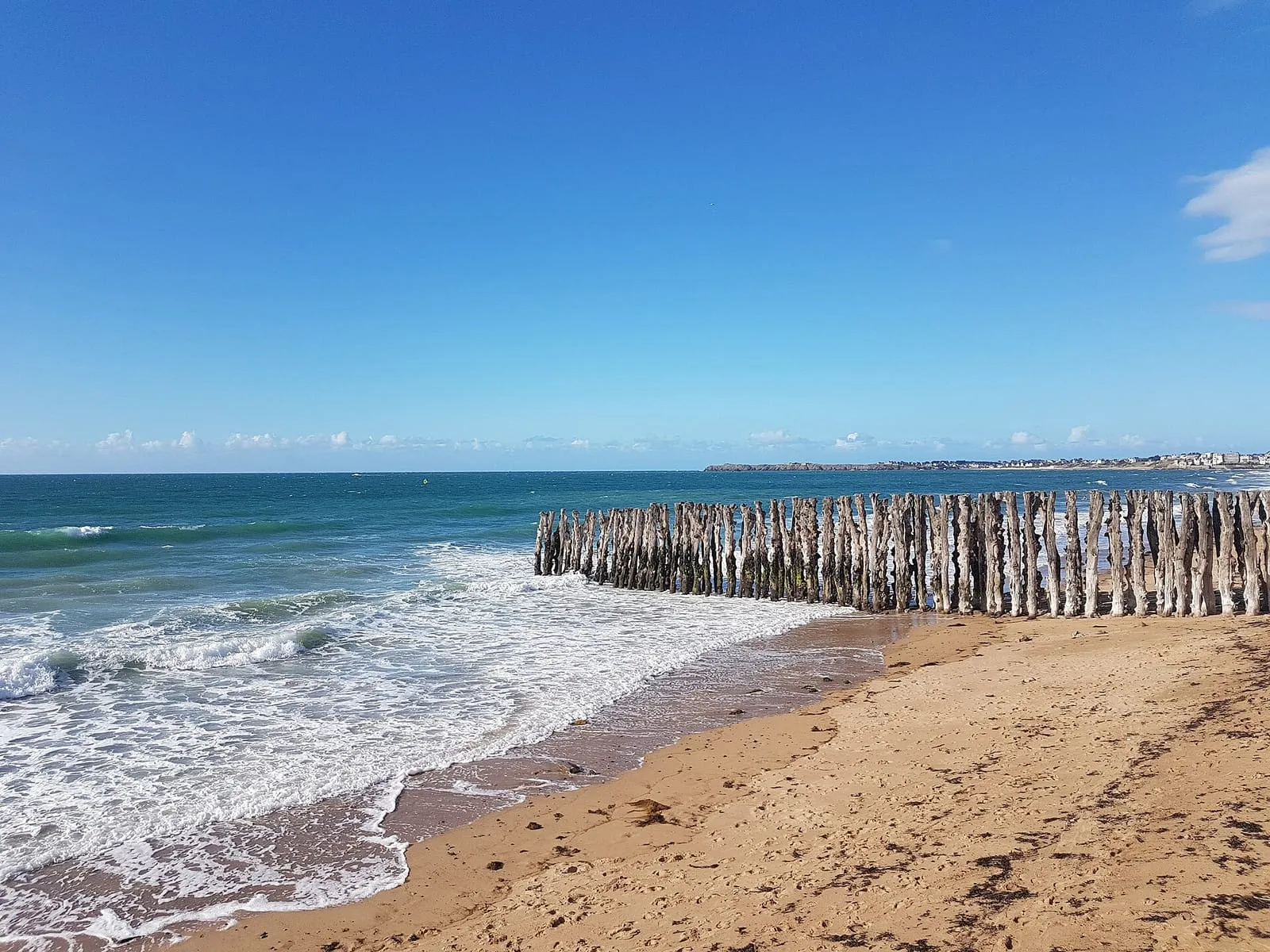

Choosing where to eat in Saint-Malo comes down to two things: where the sea will be when you sit down, and which part of town you are in. A terrace on the Sillon is a different proposition at high water and at low water, and the streets of Intra-Muros, the walled old town, feel nothing like those of Saint-Servan or Paramé.
The places named below are examples, one per section at most, each with an address listed on its own website or in the Michelin Guide. Menus, opening hours and closing days change from one season to the next, so check before you go.
Eating by the tide
At the foot of the ramparts the tidal range reaches 12 to 13 metres on the biggest coefficients, so the view from a table can change completely within six hours. At high water the sea slaps against the Sillon wall and surrounds the Grand Bé island. At low water the same terrace overlooks hundreds of metres of sand.
For lunch or dinner by the water, book around the time of high tide. This site never publishes tide times: check the official SHOM tide times (https://maree.shom.fr/harbor/SAINT-MALO) before any outing or any booking that depends on them. Our tide times page explains how to read them.
Three stretches of coast suit a meal timed to the tide:
- The Sillon and Paramé: along the sea wall, hotels and restaurants face the beach head-on. At high tide with a westerly wind, the spray is something to watch through a window, from a safe distance, behind shelter, never from the sea wall itself.
- The Bon-Secours side, below the ramparts: tables looking onto Bon-Secours beach see the Grand Bé stand out as the tide comes in.
- Dinard, across the water: from the far bank of the Rance you eat facing the outline of Intra-Muros, lit by the setting sun. The sea bus between the two towns runs in season only; the rest of the year you go round by road.
Further east in Rothéneuf, Le Bénétin (4 chemin des Rochers-Sculptés) is described by the Michelin Guide as a bright room with a terrace and open views over the rocky coast. It is the kind of table where the tide matters as much as the menu.
Seafood and Cancale oysters
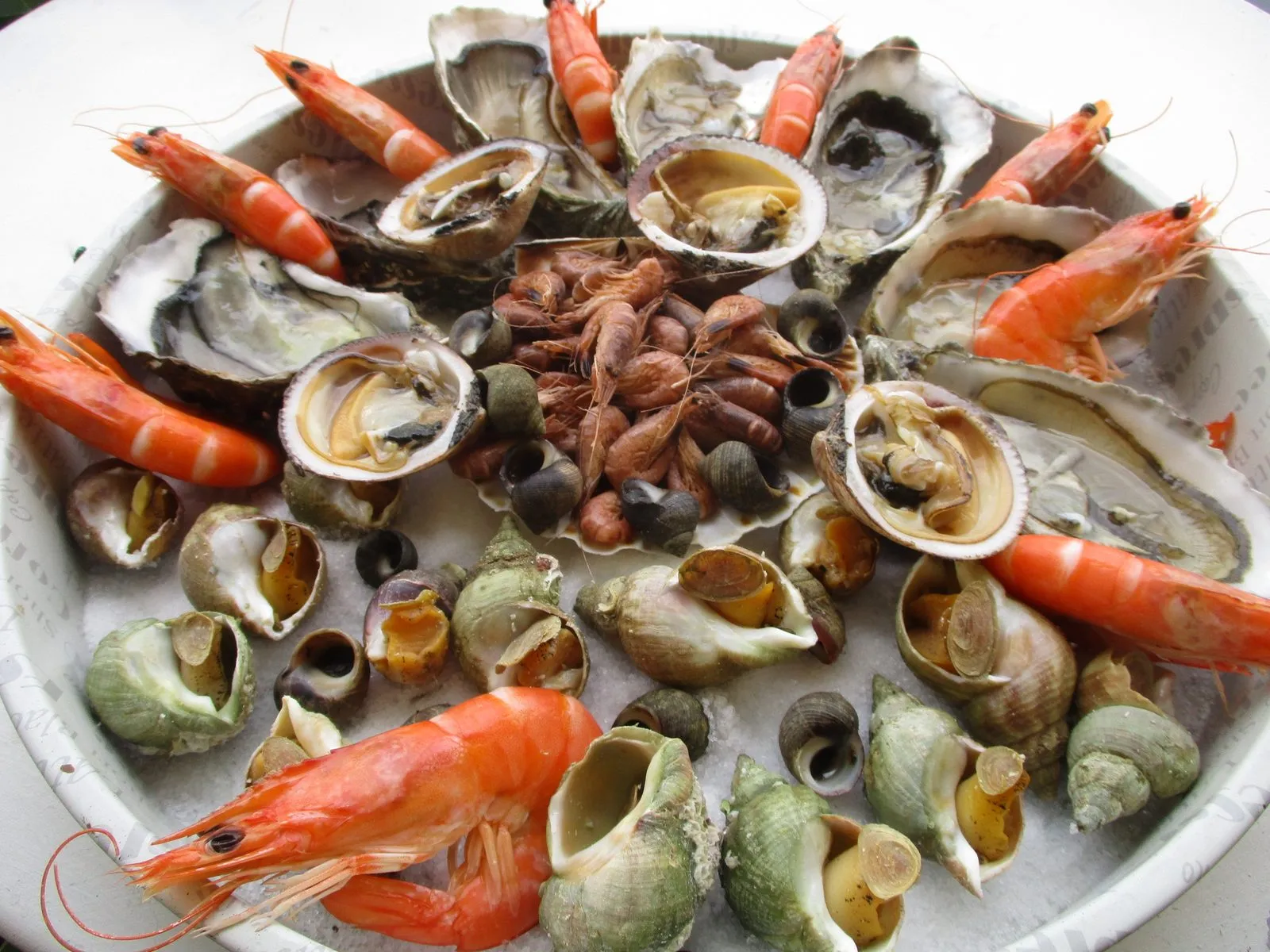
The bay of Mont-Saint-Michel stocks the Saint-Malo table: oysters, bouchot mussels, whelks, spider crab, clams and fish from the small inshore boats. Most restaurants around the port and in the old town serve a seafood platter, often priced per item or made to share. Oysters are usually served raw, with lemon, shallot vinegar, bread and salted butter.
The oysters mostly come from Cancale, about twenty minutes’ drive away. The most direct way to taste one is still the oyster market on the cale de l’Épi, at the end of the port de la Houle, looking out over the beds they were grown in. Our Cancale oysters page covers flat and cupped oysters, and the Cancale page plans a half day around the port and the pointe du Grouin.
In town, Méson Chalut (8 rue de la Corne-de-Cerf, Intra-Muros) is listed in the Michelin Guide under fish and seafood, with cooking built around day-boat fishing and Breton produce. What comes in off the boats sets the menu.
Galettes, crêpes and galette-saucisse
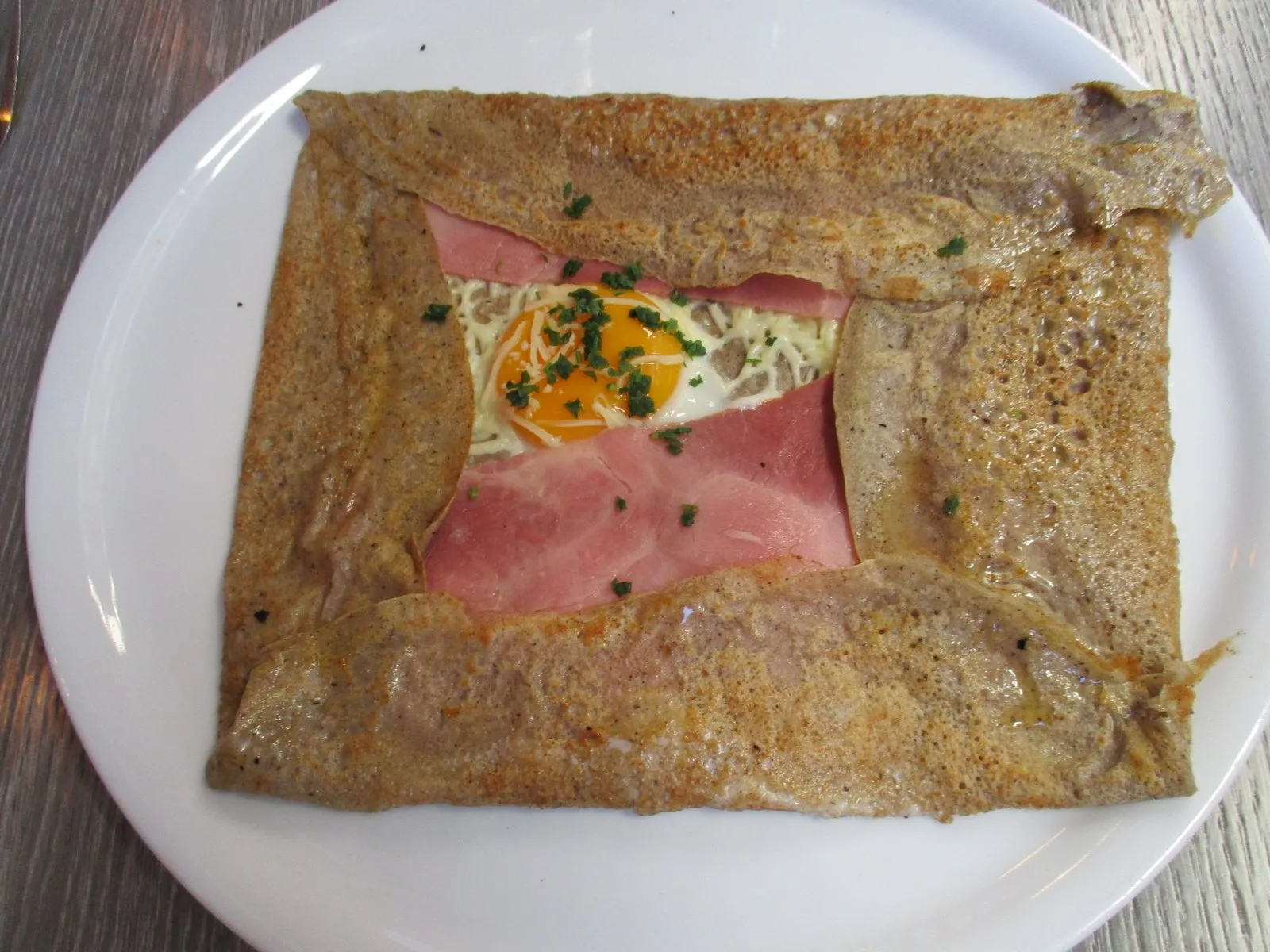
Saint-Malo is in Upper Brittany, where a galette is the savoury pancake made with buckwheat flour and a crêpe is the sweet one made with wheat. The “complète” (ham, egg, cheese) is the starting point; crêperies add andouille sausage, seafood or seasonal vegetables. It comes with a bowl of cider. Further west, in Lower Brittany, the savoury version is often called a crêpe as well, which explains the mixed wording on menus.
The galette-saucisse, a grilled sausage rolled in a buckwheat galette, is an eastern Brittany speciality. It is eaten on your feet, at markets and around big events.
The old town has plenty of crêperies and quality varies; look for places that make each galette to order. On rue de la Herse, opposite the old corn hall, Crêperie Grain Noir (16 rue de la Herse) is presented by the Michelin Guide as a buckwheat galette address using mostly organic ingredients, served with natural ciders.
Salted butter, caramel and kouign-amann
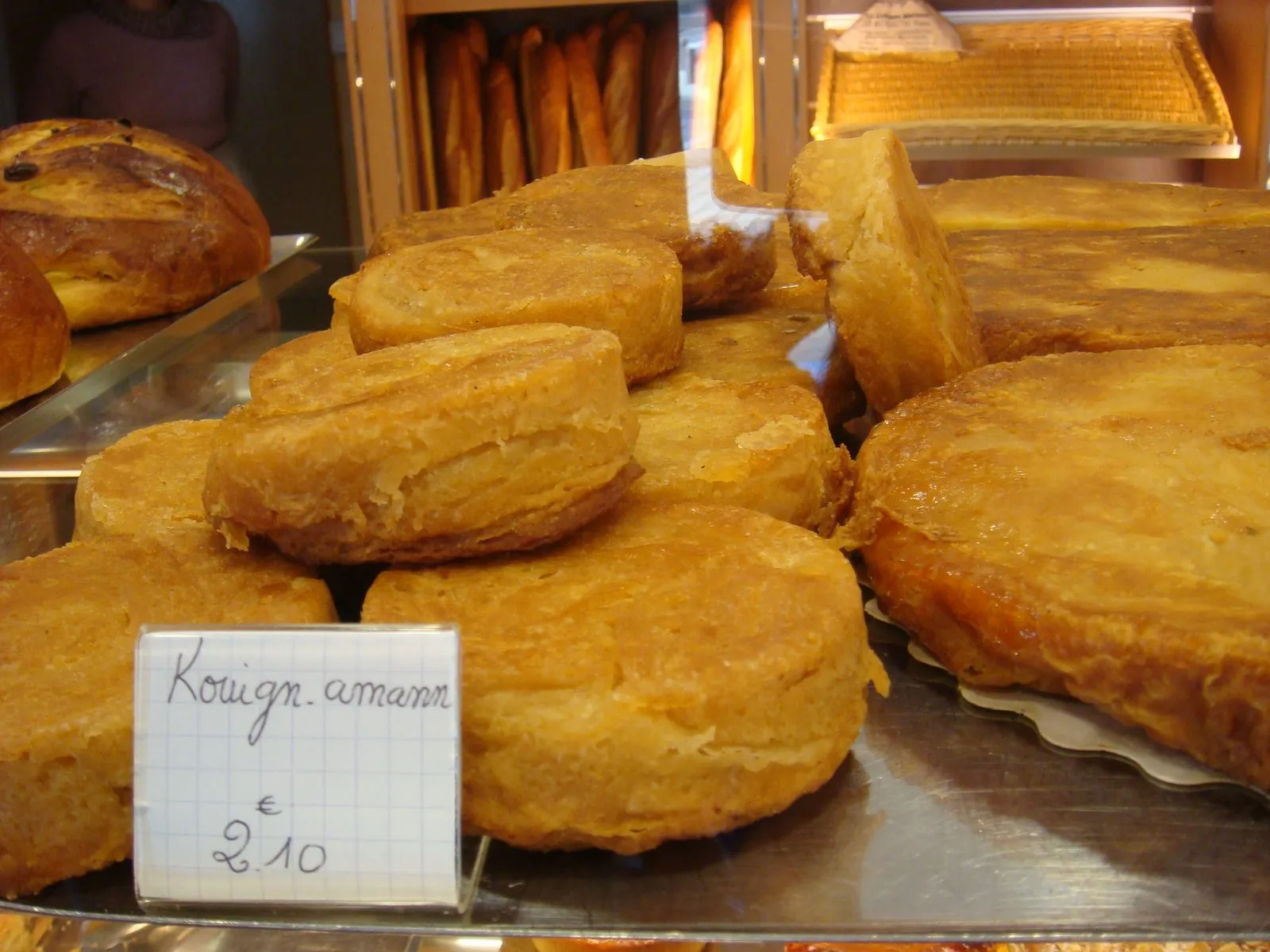
Salted butter is everywhere, in galettes and in pastries alike. Salted butter caramel comes in jars and sweets and is poured over sweet crêpes. Kouign-amann, which originated in Douarnenez in Finistère, is bread dough layered with butter and sugar that caramelises in the oven; most bakeries in town sell it, and it is best bought in the morning.
In the old town, La Maison du Beurre, Jean-Yves Bordier’s dairy shop at 9 rue de l’Orme, sells churned butter, flavoured butters and aged cheeses. Bordier has two further shops in Saint-Malo, in Courtoisville and at La Balue (Saint-Servan).
District by district
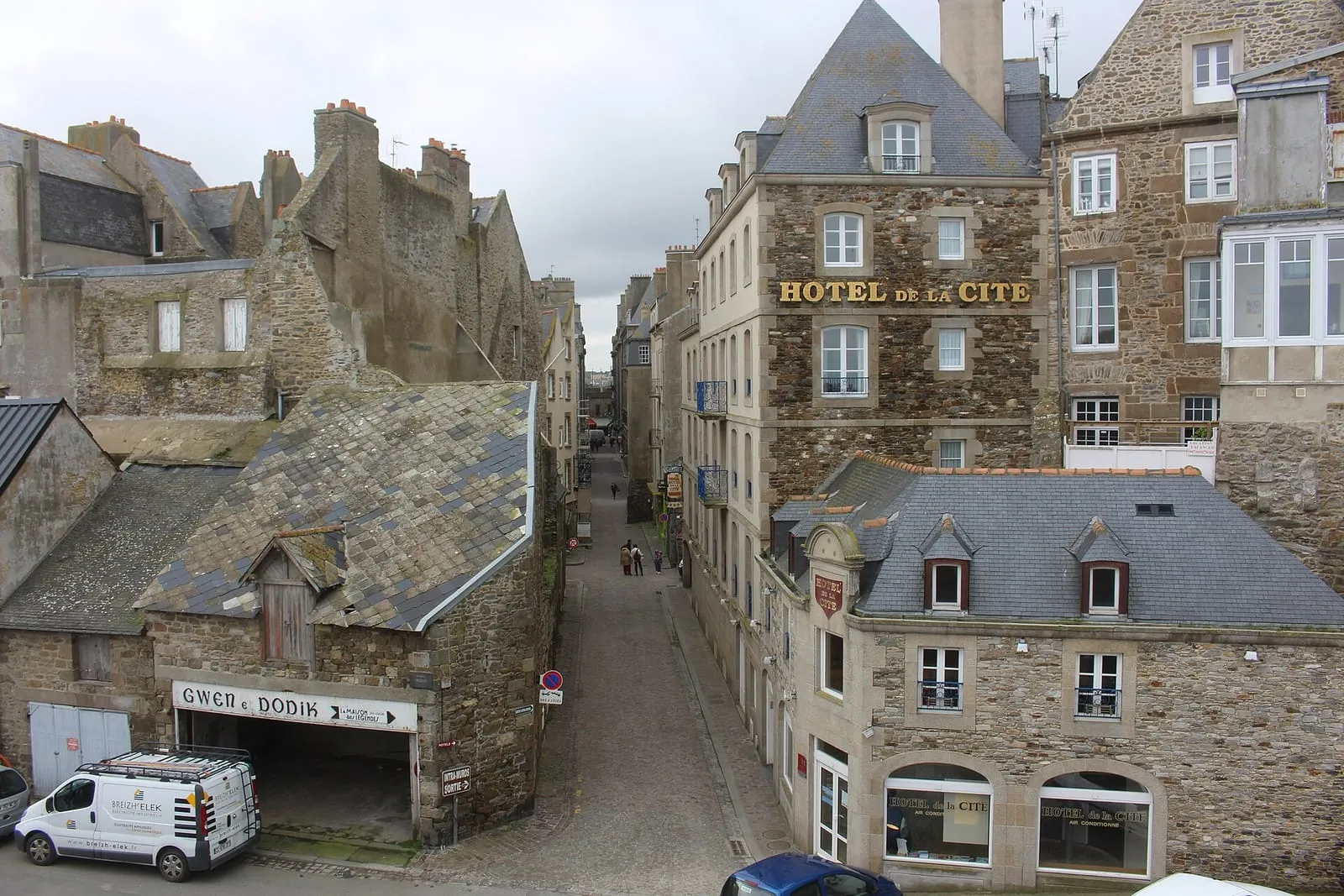
Intra-Muros has the highest density of tables, from crêperies to fish restaurants, in streets such as rue de la Herse, rue de l’Orme, rue de Toulouse and rue de la Corne-de-Cerf. It is also where summer crowds are thickest, so book for the evening. If you are staying inside the walls, our staying in Intra-Muros page helps you pick a side of the ramparts.
Saint-Servan is more residential, centred on place Bouvet and the tour Solidor. It has neighbourhood restaurants and one Michelin-starred table, Le Saint Placide (6 place du Poncel), which the Guide describes as focused on fish, shellfish and regional vegetables.
Paramé and Rothéneuf revolve around the seafront, with beach brasseries and a few tables with a view; the Paramé market is held on avenue de la Borderie.
Markets
According to the town council:
- Intra-Muros: Tuesday and Friday, rue de la Herse;
- Saint-Servan: Tuesday and Friday, place Bouvet;
- Paramé: Wednesday and Saturday, avenue de la Borderie.
A fourth market is held at Rocabey. Opening hours and bank-holiday changes are posted on saint-malo.fr. Markets are where you find the galette-saucisse stands, fishmongers, cheese and producers from along the coast.
Practical tips
- Book on spring-tide evenings. Big coefficients bring visitors in specially, and sea-view tables go first.
- During the Route du Rhum, the race village is open from 20 October to 1 November 2026, with the start on 1 November. The old town and the seafront are packed; book early or eat at off-peak times. See our Route du Rhum 2026 page.
- Out of season, kitchens close early, and many places take one or two days off a week or close for a winter break. Phone before crossing town.
- On a wet day, a long lunch in an old-town crêperie is one of the better options; more ideas in Saint-Malo in the rain.
- For a guided walk through the streets of the walled town, walking tours are listed here: https://www.getyourguide.com/en-us/saint-malo-l35279/walking-tours-tc3/
Written and kept up to date by a Saint-Malo local in love with this coast. The story behind this guide



_%D0%A1%D0%B5%D0%BD-%D0%9C%D0%B0%D0%BB%D0%BE._Rue_Sainte_Barbe_-_panoramio.jpg)
Check the official tide times on maree.shom.fr ↗
Frequently asked questions
Where can I eat with a sea view in Saint-Malo?
Along the Sillon and Paramé seafront, below the ramparts facing Bon-Secours beach, and across the Rance in Dinard. The view only works around high water: at low tide the terrace looks out over a wide stretch of sand. Check the time of high water on the SHOM website before you book.
What is Saint-Malo's local food?
Saint-Malo cooks like the rest of the north coast of Upper Brittany: shellfish and fish from the bay, Cancale oysters, buckwheat galettes and wheat crêpes, salted butter. The galette-saucisse, a sausage wrapped in a buckwheat galette, comes from eastern Brittany and turns up at markets. Kouign-amann, which originated in Douarnenez, is sold in most bakeries.
Which days are the markets in Saint-Malo?
According to the town council, the Intra-Muros and Saint-Servan markets run on Tuesdays and Fridays, and the Paramé market on Wednesdays and Saturdays. Opening hours and bank-holiday changes are posted on saint-malo.fr.
Do I need to book a restaurant in Saint-Malo?
In July and August, on spring-tide weekends and during the Route du Rhum, yes, especially for sea-view tables and in the old town. From 20 October to 1 November 2026, the race village draws very large crowds. Out of season the problem is the reverse: many restaurants close one or two days a week or shut for a winter break, so ring before you set off.
Where can I eat oysters near Saint-Malo?
In Cancale, about twenty minutes' drive away, at the oyster market on the cale de l'Épi at the end of the port de la Houle: a dozen is opened in front of you and eaten facing the beds. In Saint-Malo itself, the seafood restaurants serve Cancale oysters by the dozen or on a platter.