Shore foraging in Saint-Malo: where to stay and when to come
Updated on 23 October 2026
_%C3%A0_mar%C3%A9e_basse.jpg)
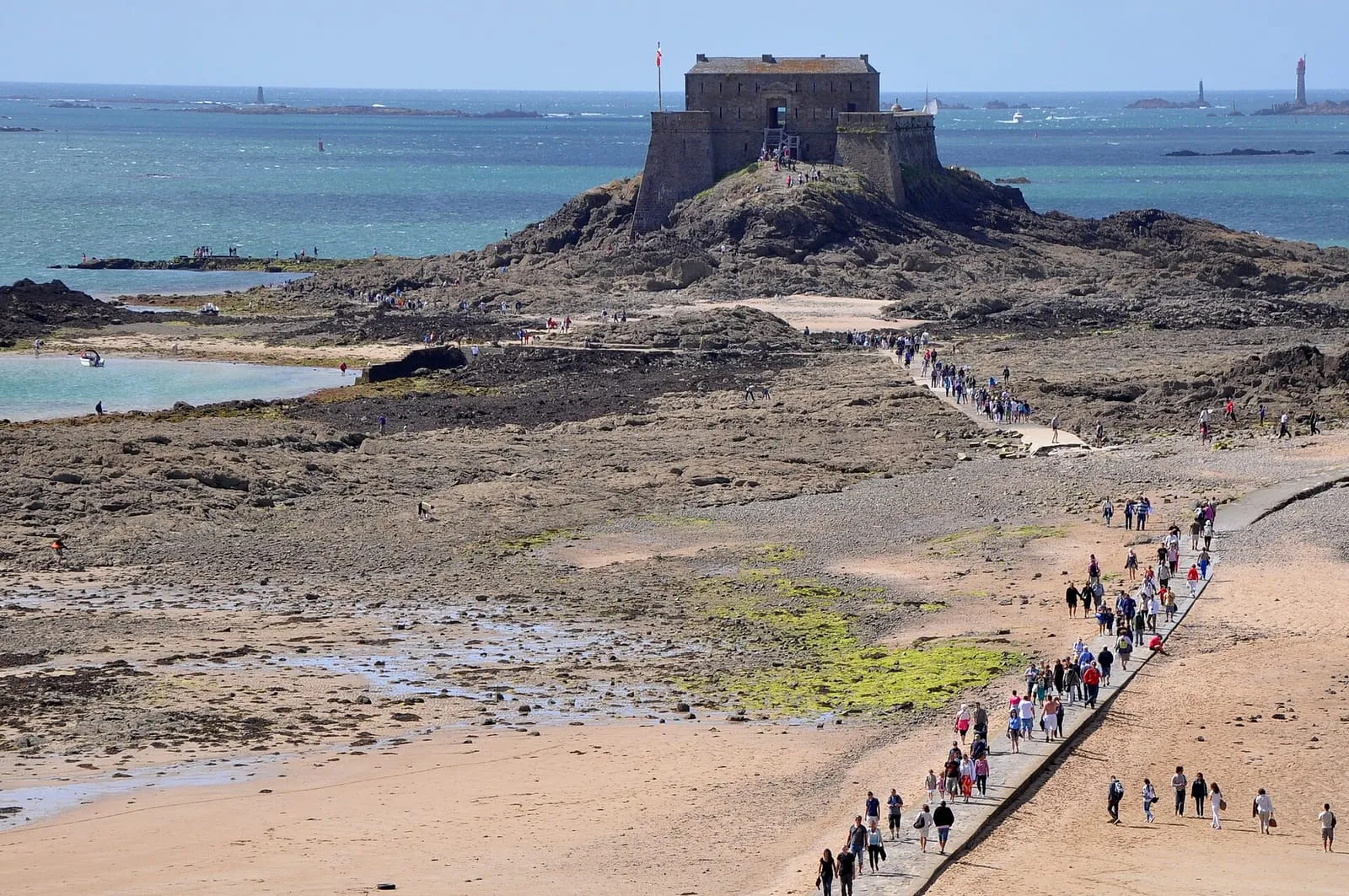
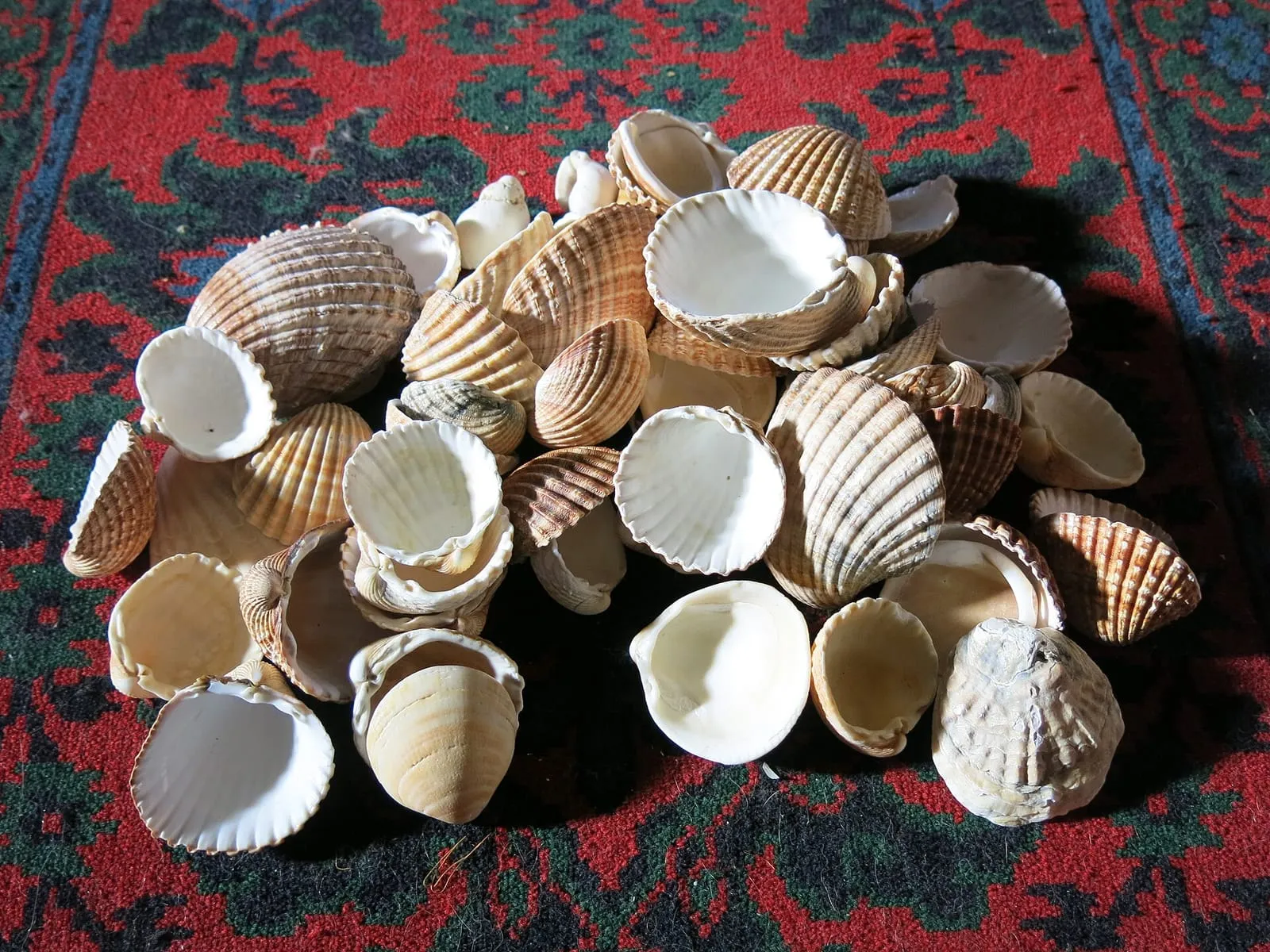
At spring tides, the bay of Saint-Malo uncovers miles of foreshore, rocks and sandbanks: one of the largest shore-foraging grounds in Europe. Clams, cockles, winkles, prawns: two hours around low water are enough to fill a basket, provided you are in the right place at the right moment. And the right moment gets booked up: regulars reserve their accommodation as soon as the coefficients are published.
The areas, and where to sleep nearby
Rochebonne and Paramé. The big sandy foreshore east of the Sillon, the place for cockles and clams. Staying in Paramé, you set out on foot, bucket in hand, and prices run gentler than on the historic seafront.
The Rothéneuf rocks. A few minutes by car or bus: winkles, velvet crabs and prawns in the gullies.
Bon-Secours and around the Bés. Beneath the ramparts, for a more modest catch in a setting that is anything but. Low tide only, watch on your wrist.
The calendar below gives the 2026 dates. Episodes above 100 (mid-August, and the March and September equinoxes) uncover ground that stays underwater the rest of the year.
The model stay: two nights, four low waters
A spring tide episode lasts two to three days: the ideal stay is built on it. Day 1, arrive before the afternoon low water, first scouting outing on the foreshore nearest your base. This is where staying in Paramé or Rothéneuf pays: the ground is at the end of the street. Day 2, the big outing on the episode’s strongest low water, sector chosen the evening before by wind and crowds; in the afternoon, rest, tasting, and the high water watched from the dyke as a spectator. Day 3, a last morning low water before the road home.
Two booking details matter more than they look: a kitchen (the catch is eaten the same evening: purged cockles, stuffed clams) and an outside tap or a garage to rinse boots and kit. The residences and guest houses of Paramé often tick both boxes; the table below sets out each address’s tide advantages.
Rules: check before every outing
Minimum sizes, per-person quotas, closed zones or periods (often for health reasons): the rules differ by species and change during the year. Go by the notices posted at the slipways and by the prefecture and town hall websites. Put overturned rocks back (the foreshore is a living habitat) and only take what will be eaten.
The turn of the tide is your real limit
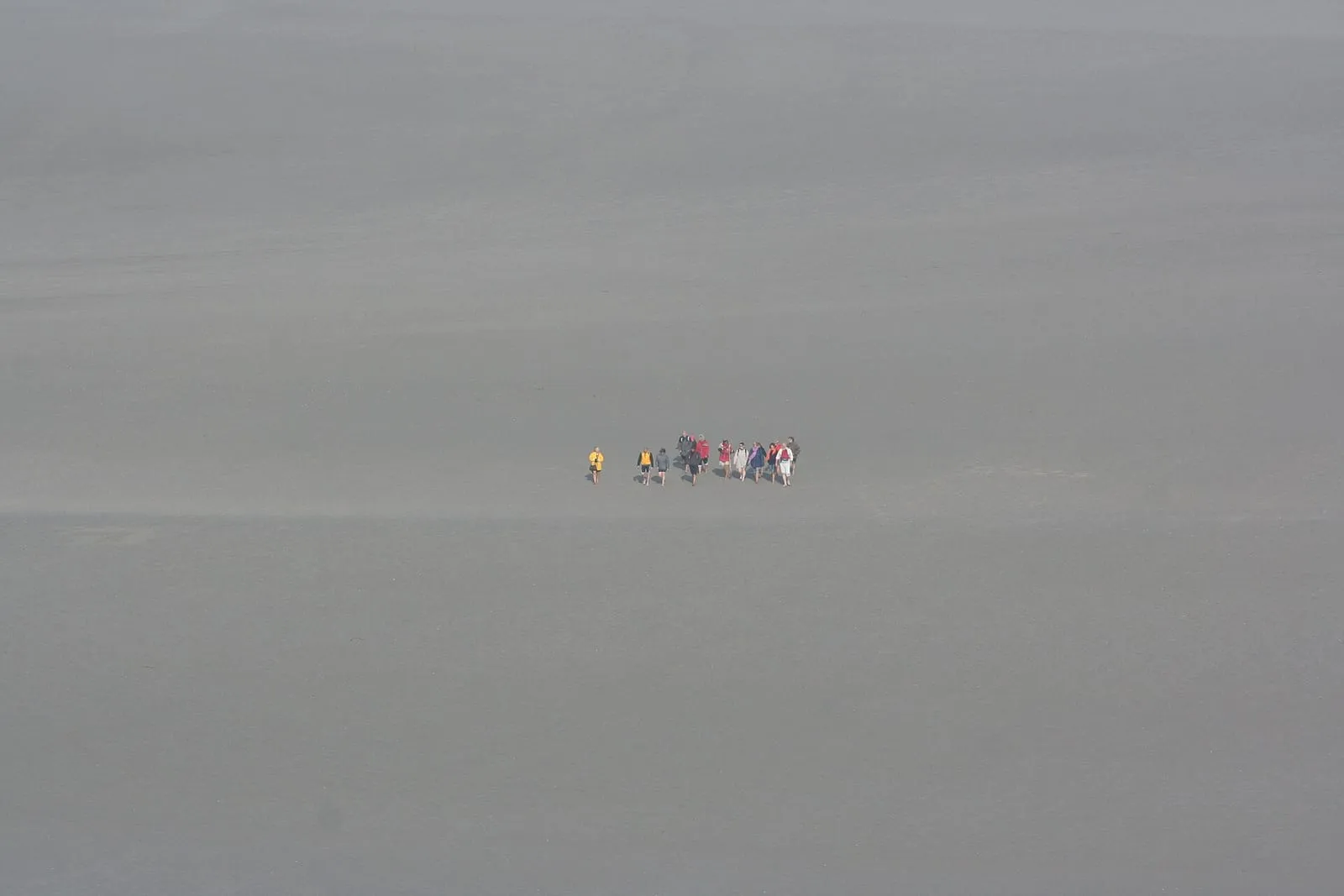
The flood catches foragers out at every spring tide; it is the bay’s most common accident. Three habits prevent the worst: check the official SHOM tide times before setting out (widget below), start back as soon as the tide turns, not when the bucket is full, and be wary of sandbanks, which become islands within minutes.
Written and kept up to date by a Saint-Malo local in love with this coast. The story behind this guide


The next spring tides
- 27–29 October 2026100autumn
- 25–27 November 202697autumn
- 25–27 December 202699winter
See the full spring tide calendarAdd these dates to my calendar (.ics)
Compare places to stay
| Accommodation | Area | Tide advantage | Price | Book |
|---|---|---|---|---|
| Grand Hôtel des Thermeshotelsea view | Paramé · €€€20 m from the sea wall | Tide advantage : The seafront grande dame, thalasso spa included: watch the spring tide from the heated seawater pool, then from your room. | €€€ | BookHotel website ↗ |
| Hôtel Le Beauforthotelsea view | Sillon · €€20 m from the sea wall | Tide advantage : A Saint-Malo townhouse on the seafront, halfway between the ramparts and Rochebonne: open bay views, ideal for following the tide from morning to night. | €€ | BookHotel website ↗ |
| Le Valmarinhotel | Saint-Servan · €€1900 m from the sea wall | Tide advantage : A quiet 18th-century mansion in its own grounds in Saint-Servan: the Solidor tower and the Rance estuary, where the tide reads differently, are at the end of the street. | €€ | BookHotel website ↗ |
Frequently asked questions
When is shore foraging best in Saint-Malo?
At spring tides, when the coefficient tops 90: the sea then uncovers ground that is rarely reachable. The equinox episodes (March and September) are the big dates. September usually wins, with warmer water and shellfish in season. Go out during the two hours around low water.
What are the local rules?
Minimum catch sizes, daily quantities per person, and occasional closed zones or periods: the rules evolve and differ by species. Check the notices posted at the slipways and the official prefecture/town-hall pages before every outing, and only take what you will eat.
What kit do I need?
Boots or water shoes, a bucket, a rake or clam knife depending on your target, a size gauge and, above all, a watch: the turn of the tide is your real limit, not the bottom of your bucket. Gloves are wise among the rocks.
What do you do with the catch that evening?
Purge cockles and clams for a few hours in clean seawater, keep everything cold and eat it quickly, well cooked if you are new to this. Hence the case, for a foraging stay, for accommodation with a kitchen. And the non-negotiable reflex: only gather in open zones, checked that same day on pecheapied-responsable.fr.