Cancale oysters, to the rhythm of the tide
Updated on 31 July 2026
_(7190953138).jpg)
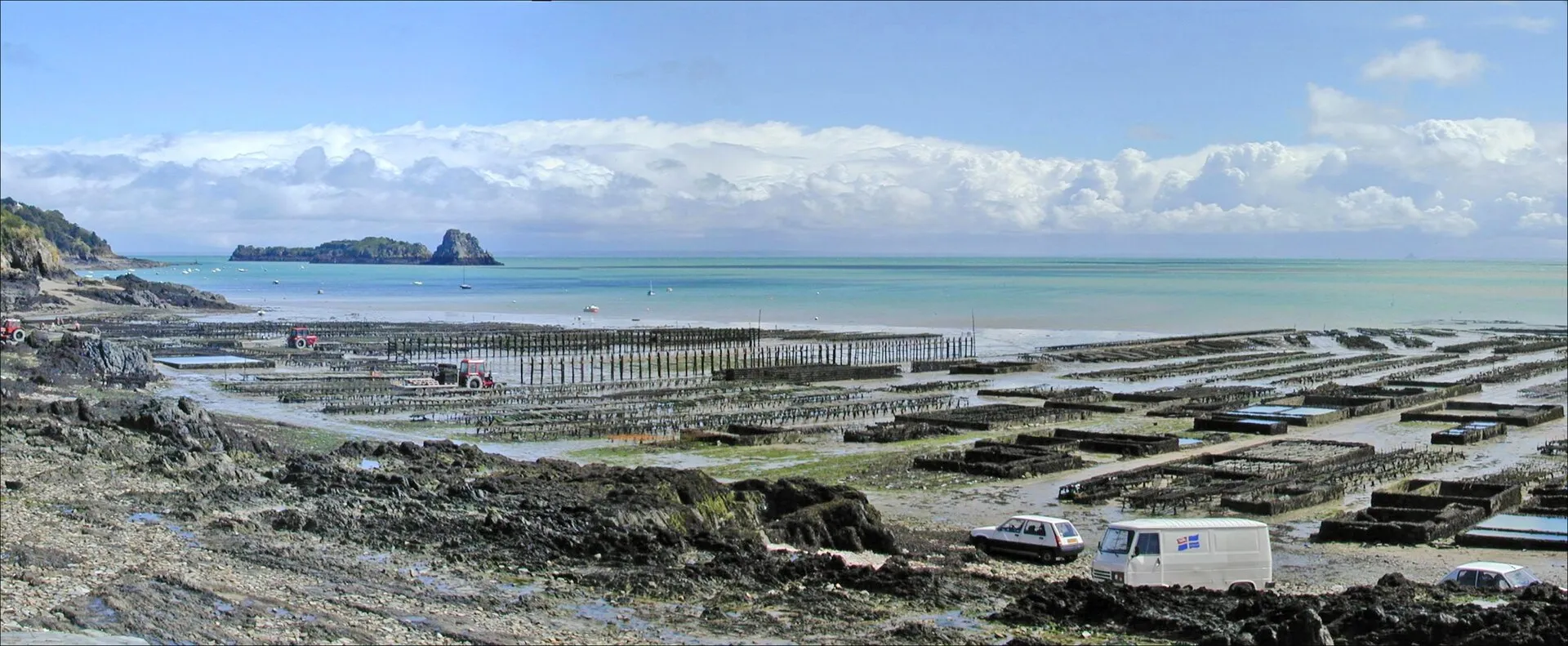
In Cancale, you do not learn oysters at a restaurant table: you learn them from the jetty, at low tide, when the sea pulls back and lays bare the working tool of an entire port. In front of La Houle harbour, rows of metal trestles stripe the foreshore across whole hectares, tractors roll down onto the firm sand, and Mont-Saint-Michel closes the horizon on a clear day. Our Cancale page gives the overview: the harbour, the Pointe du Grouin, the classic half-day. This one goes into the detail of what built the town’s name: how the oyster is raised to the rhythm of the tidal range, how it is eaten on the Épi jetty, what separates the flat from the cupped, and when to come to see the beds out of the water.
The oyster beds at low tide: hectares rising out of the sea
The show begins on the ebb. As the sea drops, the first trestles surface in front of the harbour, then row after row, until the whole foreshore has turned into a grid of steel and mesh bags resting on the sand. The oysters grow in those bags, turned regularly by hand and stirred by every tide; the farmers work “to the tide”: their window opens on the ebb, shuts with the flood, and shifts its hours from one day to the next. Around low water, tractors and trailers leave the slipway, drive between the rows and come back loaded before the sea takes the ground back.
The stronger the coefficient, the further the sea withdraws and the more of the beds you see: on spring tide days the grid is uncovered almost in full and the foreshore bustles like an open-air worksite. This is the moment the photographers wait for. All of it can be watched from the harbour jetty or the slipway, without stepping onto the foreshore or getting in the way of the work.
Where to eat oysters: the market on the cale de l’Épi
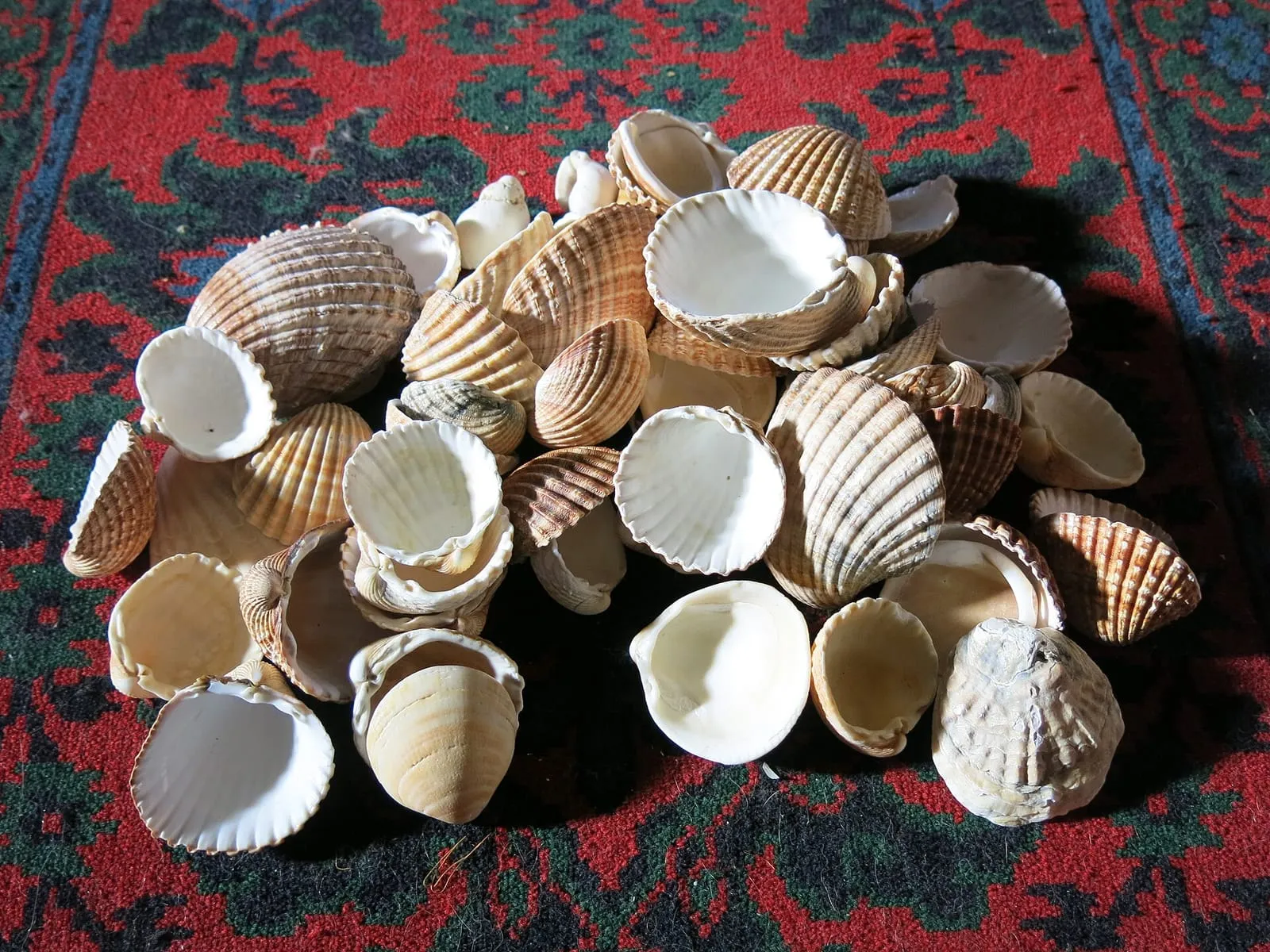
At the far end of La Houle harbour, the cale de l’Épi hosts Cancale’s best-known ritual: a handful of stalls facing the sea, where a dozen costs a few euros depending on size, is shucked in front of you and handed over with half a lemon. You settle on the low wall or the rocks, eat facing the very beds that produced them, and return the shells to the sea. The carpet of empty shells at the foot of the slipway, thickened year after year, is part of the scenery. The market runs year-round; in summer and at weekends you may queue a little, and the wait belongs to the experience.
For a fuller sitting (seafood platters, white wine, hot oysters), the restaurants along the quay take over a few metres further on. The Épi version, standing up and facing the foreshore, remains the simplest all the same: here, the oyster is eaten a few dozen metres from where it grew.
Flat or cupped: Cancale’s two oysters
The cupped oyster makes up most of the farming today, as everywhere in France: it fills the mesh bags on the trestles and the baskets at the market, graded in sizes from delicate to hefty. The flat is the bay’s historic oyster: round, almost smooth shell, flesh with a marked hazelnut note, a much smaller production and a higher price. It made the port’s name: Cancale’s oysters once travelled by cart to Paris and appeared on the royal tables, a reputation the town has cultivated for centuries. The Cancale flat is still highly sought after by connoisseurs; you find it at the market and the oyster bars depending on season and supply.
On the palate the difference is clear-cut: the cupped is briny and meaty, the flat longer on the finish, with that hazelnut note that belongs to it alone. Starting with half a dozen of each, facing the sea, is the simplest way to make up your own mind.
The bay of Mont-Saint-Michel, feeding the beds at every tide
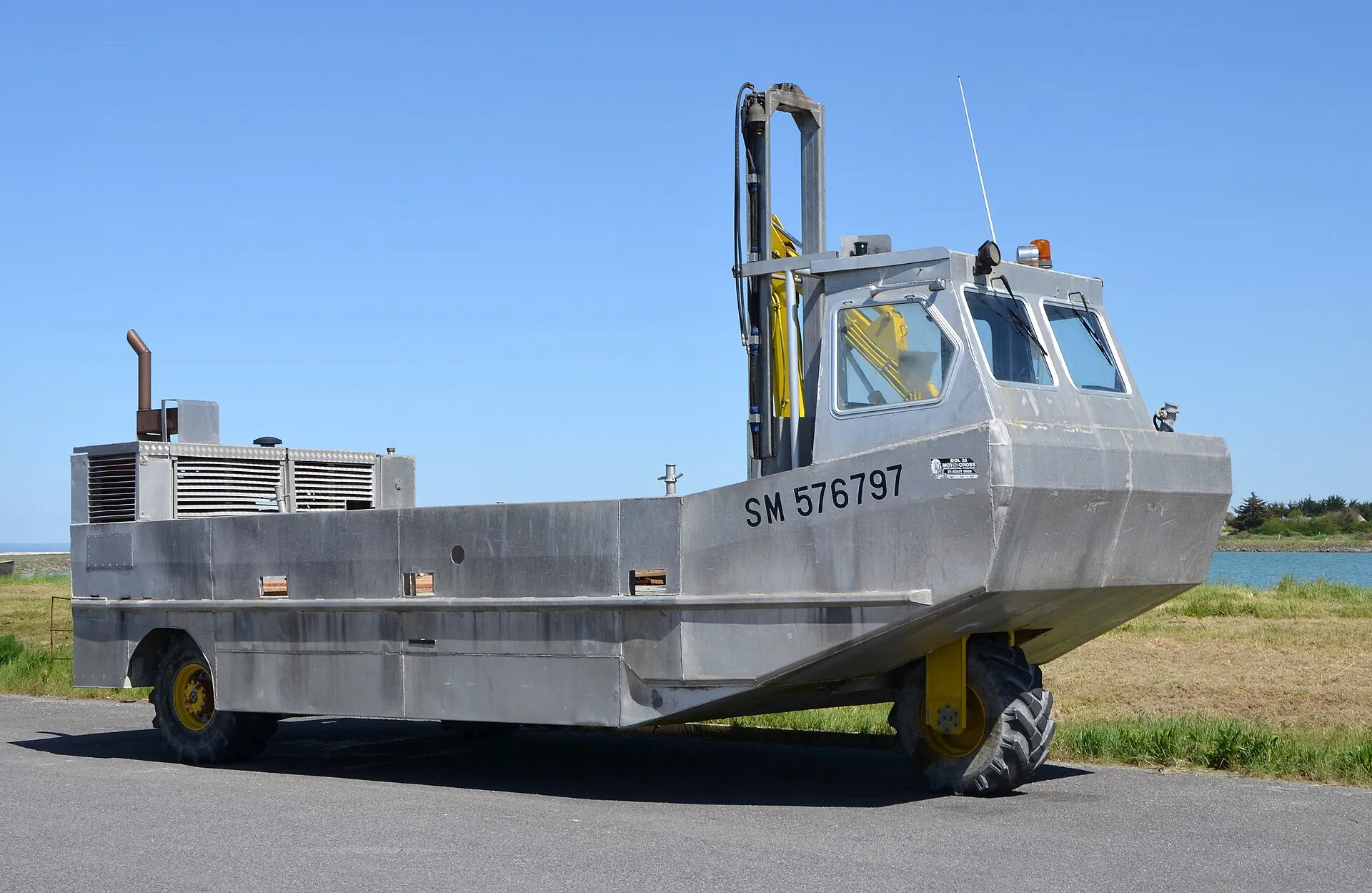
If oysters thrive here, it is because the bay of Mont-Saint-Michel works for them. Its tidal range, the largest in Europe, stirs enormous volumes of water over shallow ground at every cycle: constantly renewed and loaded with plankton, the water feeds the shellfish at a pace few coasts can match. The same machinery keeps the neighbours going: at Le Vivier-sur-Mer, some twenty minutes towards the head of the bay, mussel farmers raise their stock on lines of wooden stakes known as bouchots, and reach their plots aboard amphibious boats that drive across the foreshore before they float. Following the coast from Cancale to Le Vivier on a low-tide day means crossing one landscape after another drawn entirely by sea farming; our Mont-Saint-Michel page carries the route on to the head of the bay.
When to come: reading the tide calendar
The rule fits in one sentence: the beds uncover around low water, and the higher the coefficient, the more of them you see. An ordinary tide is enough for the first trestles to surface; from about 90 the foreshore clears widely and the machines drive far out to work; above 100 the foreshore is uncovered at its widest. Those episodes are listed in the spring tide calendar, and the low tide page explains what each band of coefficients changes in the landscape. The time of low water shifts every day: check the official SHOM tide tables before any outing, and aim for the last hour of the ebb to watch the foreshore come out of the water.
One note of caution, the same as everywhere on the bay’s foreshore: the sea comes back fast, filling the channels silently behind the walker. Watch the beds from the jetty and the slipway; if you do walk out on the permitted parts of the foreshore, head back as soon as the tide turns. And never help yourself from the trestles: the beds are private concessions, and gathering wild shellfish is governed by precise rules on sizes, quantities and zones, covered on our shellfish foraging page and checked with the official sources before each outing.
To finish the day, the Pointe du Grouin is ten minutes from the harbour: climb it towards high water, once the beds have vanished under the sea and the current picks up between the headland and the Île des Landes.
Written and kept up to date by a Saint-Malo local in love with this coast. The story behind this guide


The next spring tides
- 11–13 September 2026102autumn equinoxequinox
- 27–29 September 202699autumn equinoxequinox
- 10–12 October 202695autumn
Check the official tide times on maree.shom.fr ↗
Where can you eat oysters in Cancale?
At the oyster market on the cale de l'Épi, at the far end of La Houle harbour, for the most direct version: a dozen shucked on the spot, eaten facing the beds, shells returned to the sea. The restaurants along the quay take over for full seafood platters and hot oysters. At low tide the setting is complete, with the uncovered beds stretching out in front of you.
How much do oysters cost at the Cancale market?
A few euros a dozen, depending on size and season. The market on the cale de l'Épi remains one of the cheapest ways to eat oysters in France. Prices are posted on each stall; expect a little more for the large sizes and for the flat oyster, rarer than the cupped.
When can you see the oyster beds uncovered?
Around low water, every day, but how much is uncovered depends on the coefficient: from about 90 the foreshore clears widely, and above 100 it is uncovered at its widest, tractors included. The dates of the big coefficients are on this page and in the spring tide calendar; the time of low water changes daily, so check the official SHOM tide tables.
What is the difference between flat and cupped oysters?
The cupped, the majority, is the classic farmed oyster, briny and meaty. The flat is the bay's historic oyster: round shell, hazelnut-flavoured flesh, a much smaller production and a higher price. The flat carried Cancale's name as far as the royal tables; it appears at the market and the oyster bars depending on supply.
Can you gather oysters yourself in Cancale?
Not from the beds: the trestles are private concessions, and helping yourself there is theft. Gathering wild oysters on the permitted zones falls under recreational shore foraging, framed by rules on sizes, quantities and zones that change by decree: see our shellfish foraging page and check the current regulations with the official sources before any outing.